Why Wedding Photography and Videography Prices Are Rising in 2026: The Storage Shortage Explained
How the global shortage of SSDs, memory cards and hard drives is pushing up the cost of wedding photography and videography, and what it means for your budget.
Gem Emmanuel Villarosa
·
21 October 2026
If you've been comparing wedding photography and videography quotes this year, you may have noticed some packages costing more than they did in 2025. A big reason has nothing to do with cameras or photographers at all. It's the global shortage of storage, the memory cards, SSDs and hard drives that every wedding photo and film is recorded and kept on. Here's what's happening, and why it reaches your wedding budget.
What's Happening to Storage Prices
The companies building artificial intelligence are buying flash memory and hard drives on an enormous scale. Manufacturers are selling to them first, and there isn't enough left for everyone else. As of October 2026, the numbers look like this:
The flash memory chips inside SSDs and memory cards roughly doubled in price in six months, according to the head of storage controller maker Phison
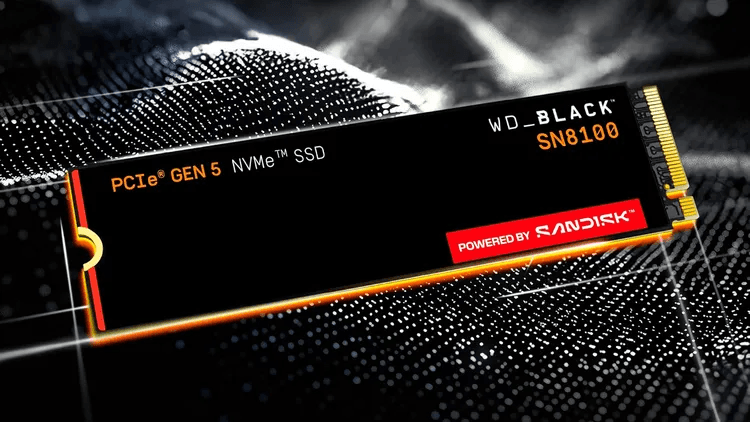
Some consumer SSDs are selling for two to nearly three times their original retail price
Western Digital and Seagate have said their hard drive production for 2026 is essentially sold out, and hard drive prices rose by almost half in a few months
Camera memory card makers including Lexar and ProGrade have announced their own price rises during 2026
Industry analysts don't expect meaningful new manufacturing capacity until late 2027 or later, so prices are unlikely to fall soon.
Why a Wedding Uses So Much Storage
A single wedding day can produce thousands of high-resolution photos and many hours of 4K video from several cameras. That footage is recorded onto fast, professional memory cards. Many professional cameras write to two cards at once, so nothing is lost if one fails. It's then copied to SSDs for editing, and backed up again to hard drives and off-site storage. Every one of those steps uses the products that are now in short supply.
We explain the whole journey in more detail in where your wedding photos and films actually live.
How That Reaches Your Quote
Storage isn't a one-off purchase for a studio. Cards wear out and get replaced, editing drives fill up, and every new wedding needs more archive space. When those costs double, studios either absorb them, cut corners on backups, or adjust their packages. Most reputable photographers won't compromise on backups, because losing a wedding is the one mistake that can't be fixed. So some of that cost shows up in pricing.
It's worth keeping in perspective. Storage is one cost among many, alongside time, editing, insurance, equipment and travel. It doesn't mean every package doubles. But it does help explain why prices across the industry are moving in 2026.
What This Means for Couples
Ask how your photos and footage are backed up. A lower quote that skips proper backups is a real risk, not a saving.
If you're planning a 2027 wedding, getting quotes and booking earlier may help you secure current pricing.
Compare what's included, not just the headline price. Our Perth wedding photography and videography cost guide breaks down realistic 2026 prices by tier.
For practical ways to protect your budget, read how to lock in your wedding photography price before 2027. If you'd like a clear quote for your date, get in touch and I'll show you exactly what's included.
FAQ
Several costs are rising, and one of the biggest is storage. A global shortage of memory cards, SSDs and hard drives, driven by demand from AI data centres, has pushed storage prices sharply higher in 2026.
AI companies are buying flash memory and hard drives in huge volumes, and manufacturers are supplying them first. Analysts don't expect significant new production capacity until late 2027 or later.
Unlikely in the short term. Most industry forecasts expect storage prices to stay high through 2026 and into 2027.
